
How to Stay Consistent With Exercise (Beginner Tips That Work)
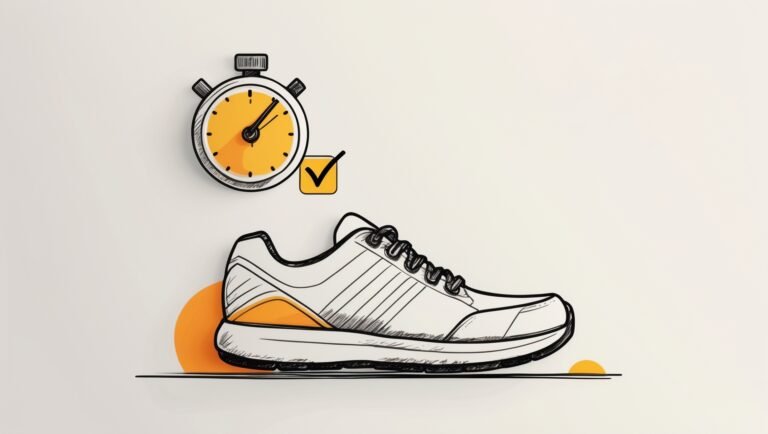
If you struggle to stay consistent with exercise, you’re not lazy, and you don’t need more “motivation.” Most people fall off because their plan is too big, too strict, or doesn’t fit real life.
This guide will help you build consistency with a plan that is:
- simple
- repeatable
- realistic for beginners
- flexible on low-energy days
Educational content only, not medical advice.
Why consistency matters more than intensity
Beginners often think results come from “hard workouts.” But results come from repeating a routine long enough for your body to adapt.
Consistency builds:
- habit momentum
- strength and endurance gradually
- confidence (“I’m someone who follows through”)
- better energy and mood over time
The real reasons beginners lose consistency
1) The plan is too hard
If your routine wipes you out, you’ll dread it—and skip it.
2) You rely on motivation
Motivation is inconsistent. Habits are reliable.
3) You don’t have a backup plan
Life happens. If you only have “all or nothing,” you’ll choose nothing.
4) You’re not tracking anything
If you can’t see progress, you’ll assume you’re failing.
The 7 rules that make exercise consistency easy
Rule 1: Start with a “minimum baseline”
Your baseline is the smallest workout that still counts as a workout. Examples:
- 5 minutes of movement
- 1 round of your workout
- warm-up + stretch only
- a short walk
The baseline prevents the “I missed a day, so I quit” cycle.
Rule 2: Pick a schedule that fits your life (3 days/week is enough)
The easiest beginner schedule to maintain:
- Mon / Wed / Fri workouts
- Tue/Thu optional walking or stretching
This is why 3 days/week works: it’s predictable and gives you recovery time.
Rule 3: Use “if-then” planning for busy days
Write these rules into your routine:
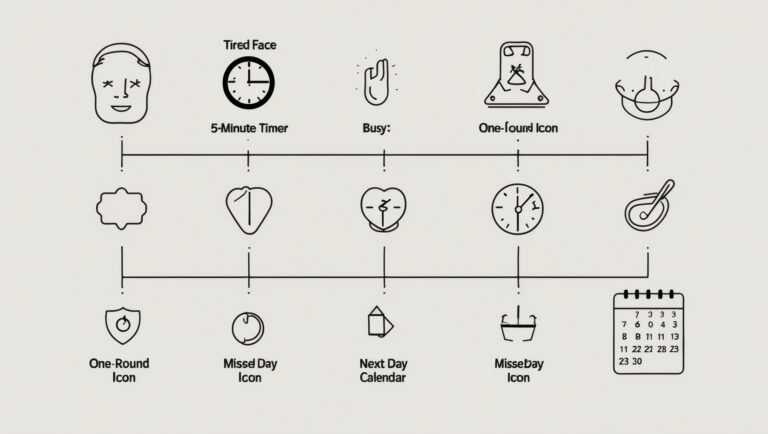
- If I’m tired, then I’ll do 5 minutes.
- If I’m busy, then I’ll do 1 round.
- If I miss a day, I continue the next day (without restarting).
This removes decision fatigue.
Rule 4: Make your workout time automatic (use a trigger)
Tie exercise to something you already do:
- after brushing teeth
- after morning coffee
- right after work (transition habit)
- before your shower
A trigger helps you stop “thinking about it” and start doing it.
Rule 5: Make workouts easier to start (reduce friction)
Beginner friction removers:
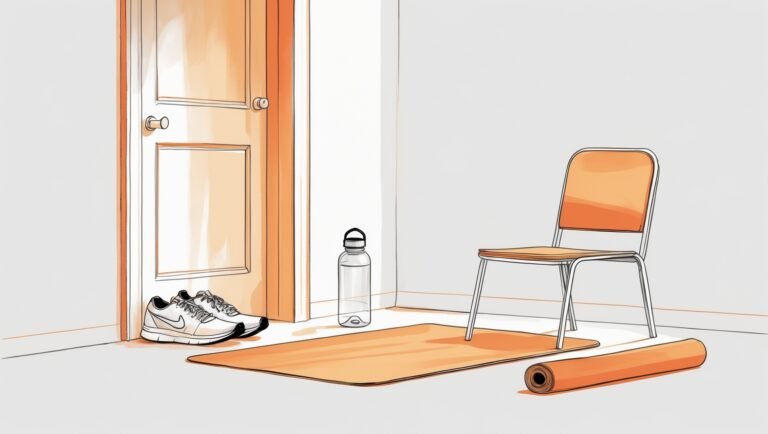
- Put shoes by the door.
- keep your workout “spot” ready (mat + chair)
- Use the same simple routine for 4 weeks.
- don’t scroll—start a timer
If it’s easy to begin, it’s easy to repeat.
Rule 6: Track consistency, not perfection
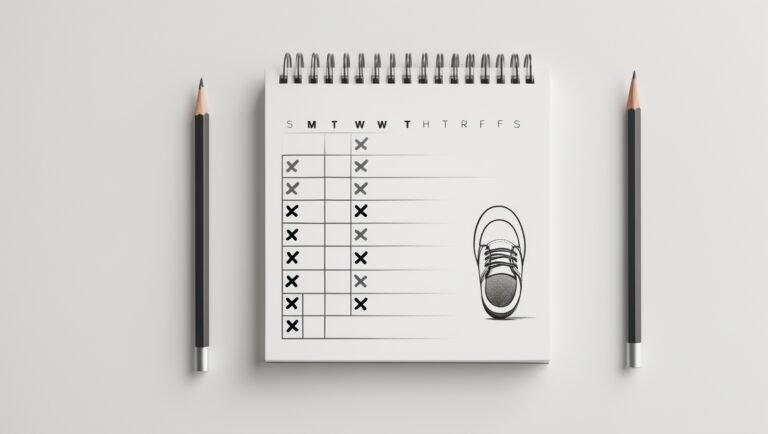
Your only job: mark “done.”
Track:
- workout done (yes/no)
- movement done (yes/no)
- optional: water + sleep
Tracking shows progress even when results feel slow.
Rule 7: Focus on identity, not outcomes
Instead of “I need to lose weight,” use:
- “I’m someone who moves daily.”
- “I follow my plan 3 days a week.”
Identity-based habits last longer.
A beginner's weekly plan you can repeat
The 3-day plan (simple)
- Mon: 10–20 minute strength circuit
- Wed: 10–20 minute strength circuit
- Fri: 10-minute low-impact workout + stretch
Optional movement days
- Tue/Thu: 10–20 minute walk
- Weekend: rest or fun movement
What to do when you fall off (the bounce-back plan)
If you miss a few days, don’t “restart Monday.”
Do this:
Do this:
- Do the minimum baseline today.
- Schedule your next workout for the next available day.
- Repeat the 3-day plan again.
The key is returning quickly, not returning perfectly.
Free support: your 7-Day Beginner Wellness Reset
If you need a simple jumpstart with a checklist + 3-day plan, use your 7-Day Beginner Wellness Reset (2026) and follow it as your Week 1.
(Then repeat the same 3-day structure for Week 2.)
(Then repeat the same 3-day structure for Week 2.)
Want a system to keep you consistent?
If you want one place to track:
- workout days
- daily movement
- hydration + habits
- weekly check-ins
Use the paid Notion Wellness Tracker here:
https://wellnessfitnessunitt.com/notion-wellness-tracker/
https://wellnessfitnessunitt.com/notion-wellness-tracker/
FAQ
What if I can only do 2 days a week?
That’s fine. Start with 2 days. Consistency > frequency.
How long should my workouts be?
Start with 10 minutes. Build from there.
How do I stay consistent when I’m tired?
Use the minimum baseline (5 minutes). Keep the habit alive.
Conclusion
To stay consistent with exercise, you don’t need more willpower—you need a smaller plan, a backup plan, and a simple tracking system. Start with 3 days/week, use your minimum baseline on hard days, and keep going.