Embarking on a fitness journey during pregnancy can be both empowering and beneficial for both you and your baby. At Wellness Fitness Unitt, we focus on creating lasting wellness habits, offering support for busy schedules, and guiding future mothers through safe and effective prenatal strength training workouts. Let's explore how you can maintain your fitness with a holistic approach while prioritizing safety and well-being.
Understanding prenatal strength training
Engaging in strength training during pregnancy helps maintain muscle tone, boosts energy levels, and may even ease labor. However, it’s crucial to understand the appropriate measures and modifications needed to ensure safety, including working on pelvic floor exercises and strengthening your pelvic floor muscles.
Benefits of prenatal strength training exercises
- Improved posture: As your pregnancy body changes, strength training can help address posture-related issues.
- Reduced back pain: Strengthening your muscles can alleviate common pregnancy-related discomfort.
- Increased energy levels: Feel more energized by integrating light strength exercises into your routine.
Safe exercises for prenatal fitness
Knowing which exercises are suitable can help you build a safe workout plan. Here are some go-to options:
Lower body exercises
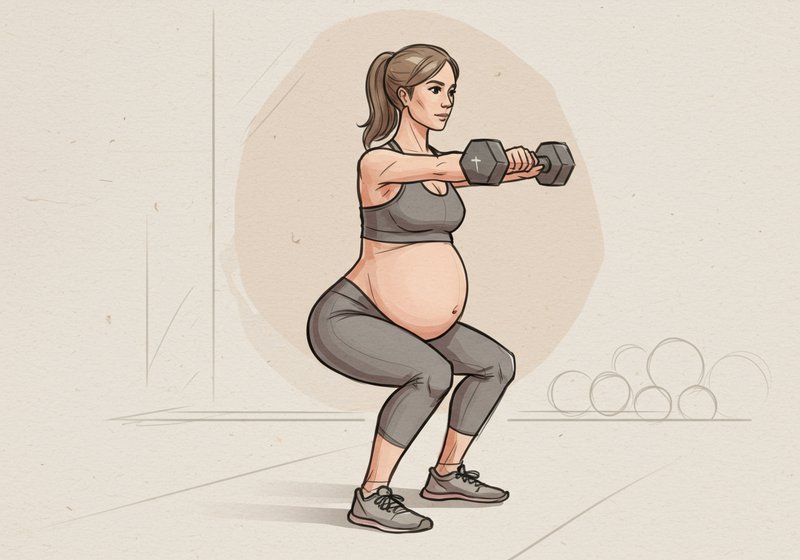
- Squats: Beneficial for building strength in the legs and core, helping to support your growing abdomen.
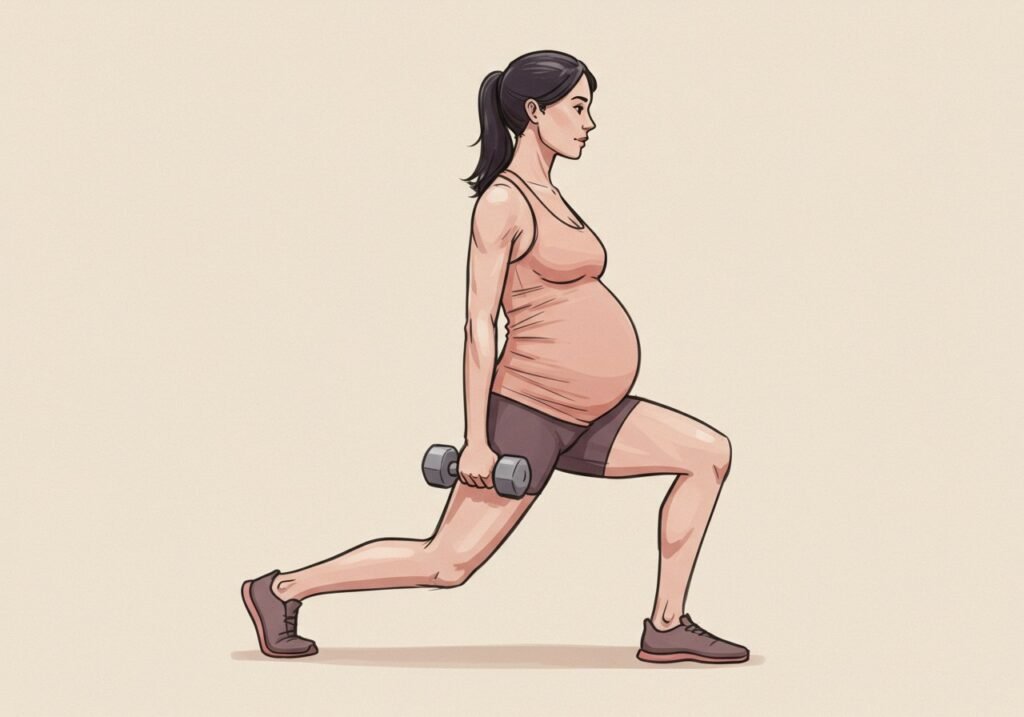
- Lunges: These can improve balance and strengthen your lower body, crucial for carrying the extra weight.
Upper body exercises
- Seated row: Use resistance bands to strengthen your back and shoulders, maintaining good posture.
- Wall push-ups: A gentler alternative to traditional push-ups, these engage upper body muscles without excess strain.
Safety tips for prenatal workouts
Safety should be your top priority in prenatal strength training. Here’s how you can ensure a safe exercise experience:
- Consult your healthcare professional: Before starting any new workout routine, get approval from your doctor or midwife.
- Listen to your body: Recognize your limits and avoid overexertion.
- Stay hydrated: Keep your body hydrated to support both your workout and pregnancy.
- Focus on proper form: Pay close attention to your technique to avoid unnecessary strain and injury. Use mirrors for guidance or seek support from a certified trainer knowledgeable in prenatal fitness. This will ensure you engage the right muscle groups safely and effectively. Prioritizing form over intensity helps maintain balance and reduce the risk of falls or discomfort.
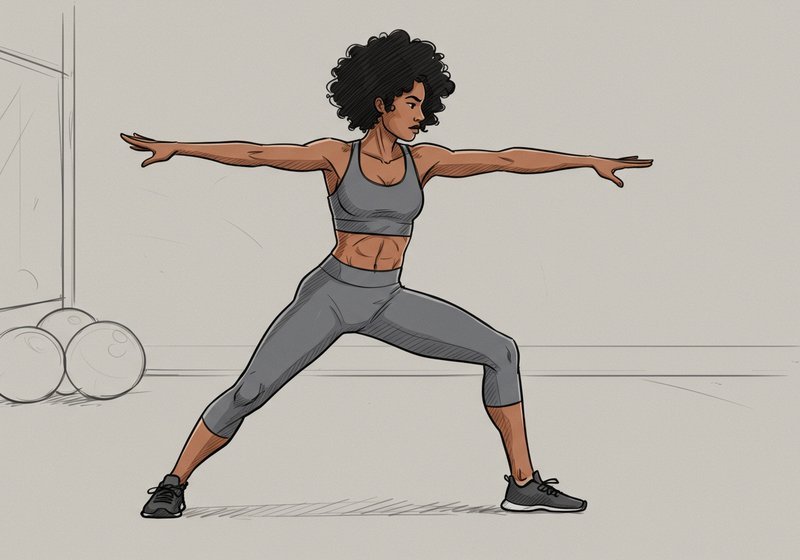
- Choose safe exercises: Opt for low-impact activities like walking, swimming, or prenatal yoga that minimize stress on joints while enhancing flexibility and strength. These options not only support your physical fitness and wellness but also promote relaxation and mental well-being.
- Modify as needed: As your pregnancy progresses, be ready to adjust your workout routine to accommodate physical changes. This might involve reducing intensity, altering positions, or using supportive props such as stability balls. Regular adjustments ensure your routine remains comfortable and beneficial throughout all trimesters.
Holistic wellness and mindfulness
Our approach encourages combining physical activity with mindfulness techniques. During your strength training, practice mindful breathing and stay connected to your body's signals. This ensures you maintain a balanced state of mind and body through each exercise session.
Building sustainable habits
At Wellness Fitness Unitt, we provide practical exercise tips to integrate into your busy schedule. Explore quick 5-minute workout routines that focus on strength and mindfulness, encouraging a balance between physical fitness and mental well-being.
Nutrition and prenatal care
Proper nutrition goes hand-in-hand with exercise. Incorporate our easy-to-follow nutrition advice, including recipes for immunity-boosting smoothies and fiber-rich meals that support your prenatal journey.
| Nutritional Focus | Benefits |
|---|---|
| Immunity-boosting foods | Enhance health and protect against illnesses |
| Fiber-rich meals | Aid digestion and maintain energy levels |