
Introduction
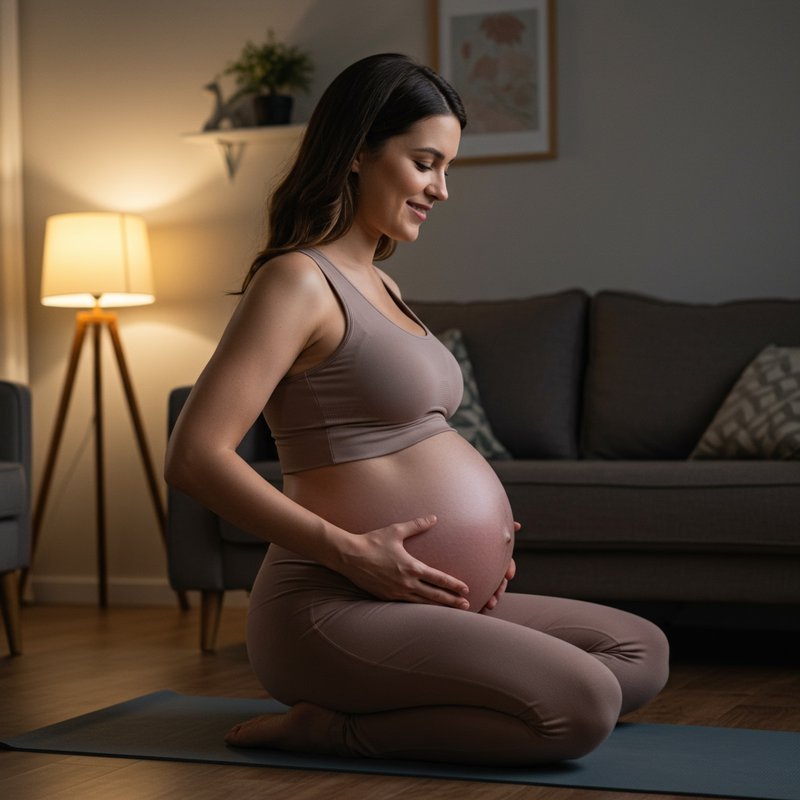
Embarking on a wellness journey during pregnancy requires a comprehensive approach, and understanding pelvic floor exercises is crucial for lasting health. This article explores the importance of strengthening the pelvic floor muscles to enhance well-being during pregnancy and beyond. We’ll delve into the benefits of a strong pelvic floor, detailed exercises for prenatal and postnatal care, and ways to incorporate these practices into a sustainable wellness routine. Join us in empowering your body and mind with the support of Wellness Fitness Unitt’s holistic strategies, designed to help you build sustainable wellness habits for a healthier, more balanced life.
Building sustainable wellness habits includes taking a comprehensive approach to physical health, particularly during significant life phases like pregnancy. Understanding the importance of pelvic floor exercises can contribute significantly to overall well-being, both during pregnancy and beyond.
Understanding the pelvic floor
The pelvic floor is a group of muscles that support the bladder, bowels, and uterus in women. These muscles play a critical role in maintaining bodily functions and stability. During pregnancy, the pelvic floor undergoes significant stress due to hormonal changes and the added weight of the growing baby. Therefore, keeping these muscles strong and functional is essential for a comfortable pregnancy.
Benefits of a strong pelvic floor
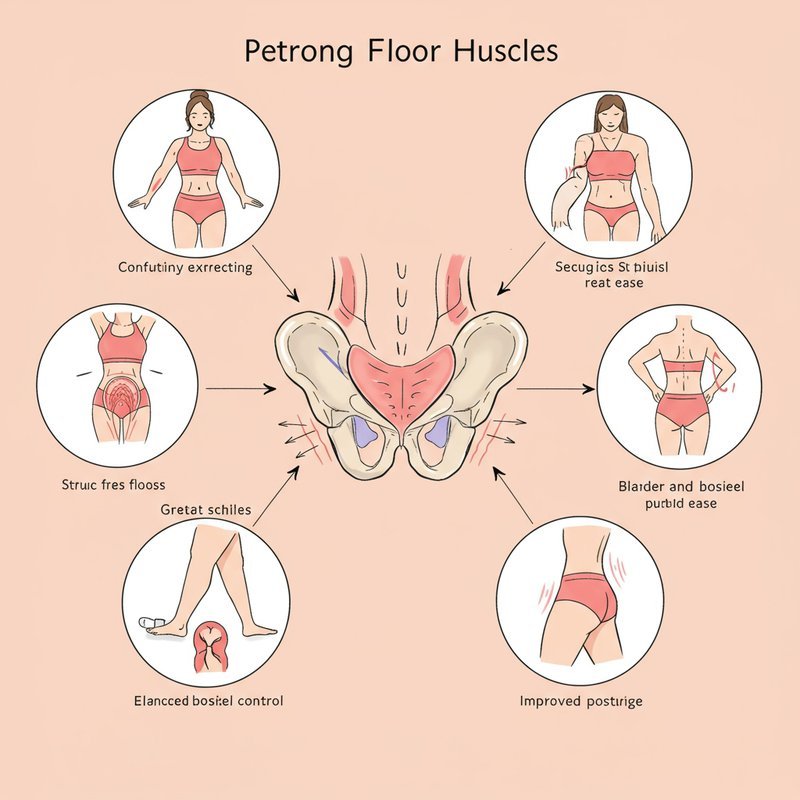
- Improved bladder control: Strengthening pelvic muscles helps prevent urinary incontinence and stress incontinence, common challenges during and after pregnancy.
- Enhanced core stability: A strong pelvic floor contributes to overall core strength, reducing back pain and improving posture by supporting the spine.
- Easier labor and recovery: A well-conditioned pelvic floor aids in childbirth and can speed up postpartum recovery.
- Better bowel control: Reduces the risk of bowel incontinence and constipation.
- Prevention of prolapse: Supports and stabilizes internal organs, reducing the risk of pelvic organ prolapse.
- Increased sexual satisfaction: Strengthening these muscles can enhance sensation and pleasure.
- Reduced pelvic pain: Alleviates discomfort and tension in the pelvic region.
- Greater endurance and strength: Enhances performance in fitness activities and daily tasks.
- Improved breathing techniques: Strengthens the connection between breath and muscle control, aiding relaxation.
- Enhanced confidence: Building strength in the pelvic floor can boost self-assurance and mental well-being.
Exercises for prenatal and postnatal care
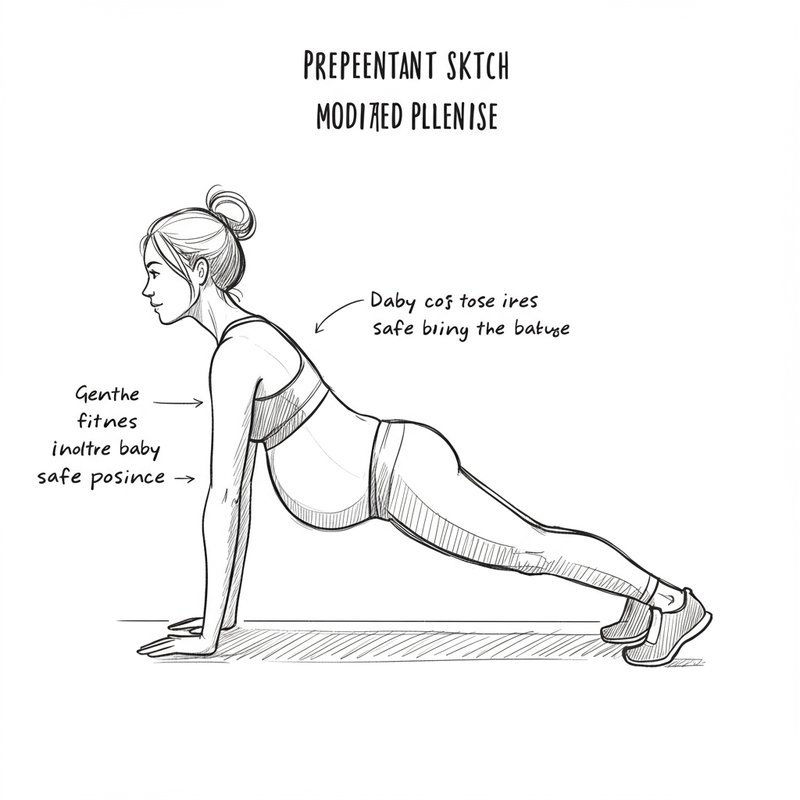
Incorporating pelvic floor exercises into your routine during pregnancy and postnatal periods is simple and effective. These exercises can easily fit into a busy schedule, offering profound benefits with minimal time commitment.
Kegel exercises
Kegel exercises are the cornerstone of pelvic floor strengthening:
- Find the muscles: The first step is identifying the pelvic floor muscles. To do this, try stopping your flow of urine mid-stream. The muscles you use are your pelvic floor muscles.
- Perform the exercise: Once you’ve identified the muscles, contract them for 5 seconds, then relax for 5 seconds. Repeat this 10 times, working up to three sets per day.
- Consistency matters: Integrate Kegel exercises into your daily routine for best results.
Bridge pose
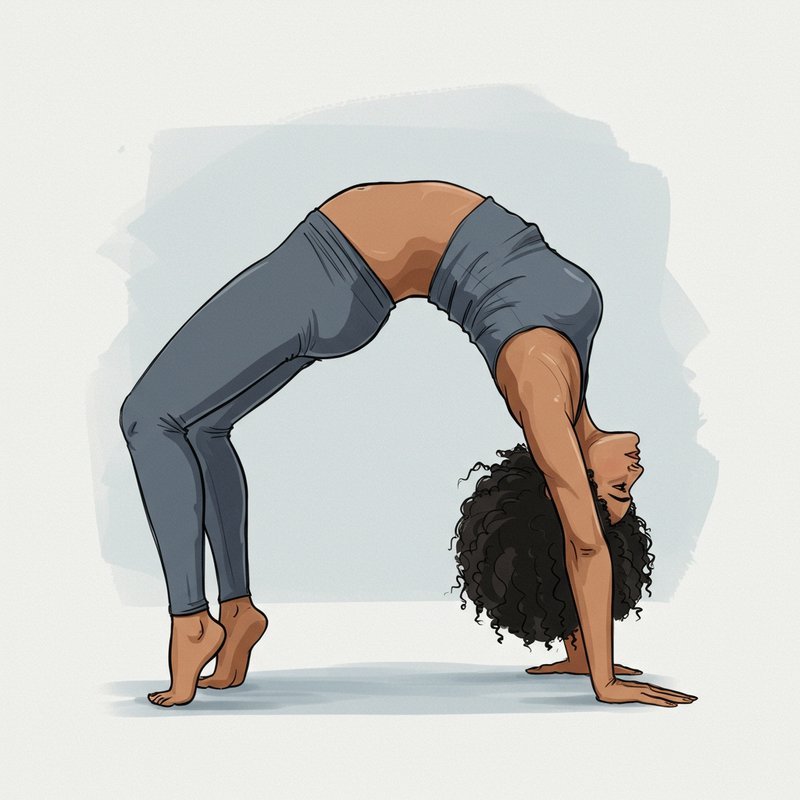
- Purpose: Strengthens the pelvic floor and glutes while improving flexibility.
- How to perform: Lie on your back with knees bent and feet flat on the floor. Lift your hips while squeezing your glutes, hold for a few seconds, then lower down.
Side-lying leg lifts
- Purpose: Engages the pelvic floor and stabilizes the hips.
- How to perform: Lie on your side with legs straight. Lift the top leg while keeping your core engaged, then lower it. Perform several repetitions on each side to engage inner thigh muscles.
Cat-cow stretch
- Purpose: Enhances flexibility and relieves tension in the back and pelvic region.
- How to perform: Get on all fours, arch your back while inhaling (cat pose), then lower your belly while exhaling (cow pose). Repeat slowly.
Pelvic tilts
- Purpose: Supports core stability and reduces back pain.
- How to perform: Lie on your back with knees bent. Flatten your lower back against the floor by tilting your pelvis upward, then relax. Repeat gently.
Wall squats
Purpose: Strengthens the pelvic floor and lower body, including lower abdominal muscles.
How to perform: Stand with your back against a wall, feet shoulder-width apart. Slowly slide down until knees are bent, hold, then return to standing.
Quick contractions and relaxations
- Purpose: These exercises help improve the pelvic floor’s responsiveness, essential during physical activities.
- How to perform: Contract and relax the pelvic muscles quickly in succession. Aim for sets of 10 repetitions, several times a day.
Equipment for prenatal and postnatal care
- Resistance bands: For adding intensity to pelvic floor and general strength exercises.
- Exercise ball: Useful for core strengthening and improving balance.
- Yoga mat: Provides cushioning and support for floor exercises and stretches.
- Light weights: For upper body strengthening without excessive strain.
- Prenatal or postnatal support belt: Helps stabilize the core and alleviate back pain.
- Foam roller: For muscle relaxation and tension release.
- Comfortable clothing and shoes: Ensures ease of movement and safety during workouts.
Incorporating resistance bands
Enhance routine pelvic floor exercises using resistance bands to build strength progressively:
- Basic resistance: Place a resistance band around your thighs while doing squats to engage and strengthen the pelvic floor further.
- Controlled movements: Focus on slow, controlled movements to maintain balance and effectiveness.
Supporting a balanced lifestyle
Pelvic floor exercises are a key part of a sustainable wellness routine:
- Combine with mindfulness: Practicing mindfulness techniques during your exercises can enhance focus and relaxation.
- Integrate diverse movements: Incorporate quick 5-minute workouts and self-care routines to support whole-body wellness.
- Nutrition support: Pair these exercises with a balanced diet, including recipes like immunity-boosting smoothies and fiber-rich meals for optimal health.
A holistic approach for a healthier you
Wellness Fitness Unitt believes in empowering individuals through accessible and effective solutions, transforming wellness into a manageable, enjoyable journey. By prioritizing pelvic floor health during and after pregnancy, you contribute not only to your physical strength but also to your mental well-being.
For more personalized guidance, explore our comprehensive 7-Day Wellness Jumpstart guide and connect with experts in online therapy to support your journey toward lasting wellness.
Embark on a path to a fitter pregnancy, stronger body, calmer mind, and healthier you, with pelvic floor exercises as an integral part of your holistic wellness strategy. Connecting with a pelvic floor physical therapist or health care provider can also support your efforts in addressing pregnancy-related pelvic floor issues effectively.
Pingback: Safe exercise tips for a healthy pregnancy