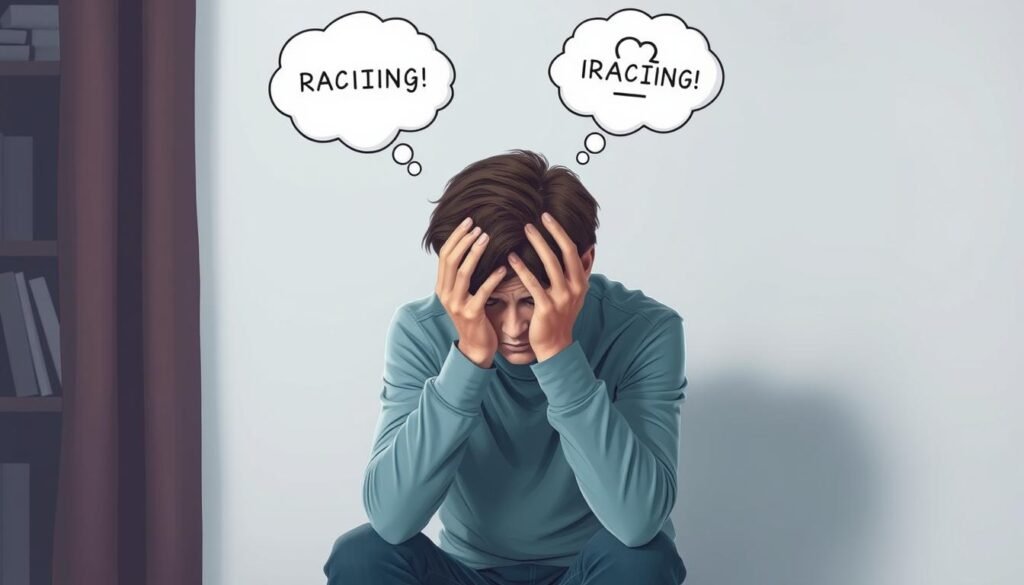
We all experience anxiety. That flutter in your stomach before a job interview or the racing heart when you narrowly avoid a car accident are normal, protective responses. Anxiety is our body’s natural alarm system, alerting us to potential dangers and helping us stay alert. But for nearly 30% of adults, anxiety becomes more than an occasional visitor—it transforms into a persistent, overwhelming presence that disrupts daily life.
Anxiety disorders represent the most common mental health conditions in the United States, affecting millions of people regardless of age, background, or lifestyle. The good news? These conditions are highly treatable, and with the right support, most people can significantly reduce their symptoms and reclaim their quality of life.
What Is Anxiety? Normal Response vs. Disorder

Anxiety is your body’s natural reaction to stress—a feeling of fear or apprehension about what’s to come. It’s the mechanism that helped our ancestors survive by preparing them to fight or flee from danger. In appropriate amounts, anxiety improves alertness, focuses attention, and helps us prepare for important events.
However, anxiety disorders differ significantly from these normal feelings of nervousness. When anxiety becomes excessive, persistent, and disproportionate to the situation, it may indicate an anxiety disorder. The key differences include:
- Intensity and duration of symptoms that are out of proportion to the situation
- Significant interference with daily activities, relationships, and quality of life
- Difficulty controlling worries or fears
- Avoidance behaviors that limit your life
Unlike occasional anxiety that comes and goes, anxiety disorders persist and often worsen without treatment. They represent a group of related conditions, each with unique characteristics but sharing the common thread of excessive fear or worry in situations that aren’t truly threatening.
5 Common Anxiety Symptoms

Physical Symptoms
1. Cardiovascular Changes
Many people with anxiety experience a racing heart, palpitations, or increased blood pressure during episodes. This happens because your body releases stress hormones like adrenaline, preparing you for perceived danger. Some describe it as feeling like their heart is “pounding out of their chest.”
2. Breathing Difficulties
Shortness of breath, rapid breathing, or a sensation of choking are common anxiety symptoms. This hyperventilation can create a vicious cycle, as breathing too quickly reduces carbon dioxide levels in your blood, which can intensify feelings of anxiety and cause lightheadedness.
3. Physical Tension
Muscle tension, particularly in the neck, shoulders, and back, often accompanies anxiety. This tension can lead to headaches, fatigue, and body aches. Many people don’t even realize how tense their muscles are until they consciously try to relax them.
Emotional Symptoms
4. Persistent Worry
Excessive, uncontrollable worry about everyday situations is a hallmark of anxiety disorders, especially generalized anxiety disorder. These worries often feel impossible to dismiss and may jump from one concern to another, creating a constant background of mental distress.
5. Restlessness and Irritability
Feeling on edge, restless, or easily annoyed are common emotional symptoms. Many describe it as being unable to relax or having a sense of impending doom. This restlessness can make it difficult to concentrate, sleep, or engage in daily activities.
Important: If you experience chest pain, severe shortness of breath, or other concerning physical symptoms, seek immediate medical attention to rule out other medical conditions that may mimic anxiety symptoms.
Common Types of Anxiety Disorders

Anxiety disorders come in several forms, each with distinct features. Understanding which type you might be experiencing is the first step toward effective treatment.
Generalized Anxiety Disorder (GAD)
Characterized by persistent, excessive worry about various aspects of life—from work and health to routine matters like chores or appointments. This worry is difficult to control and often accompanied by physical symptoms like fatigue, muscle tension, and sleep problems.
Social Anxiety Disorder
More than just shyness, this involves intense fear of social situations due to worries about embarrassment, judgment, or rejection. People with social anxiety may avoid social interactions or endure them with significant distress, often experiencing physical symptoms like blushing, sweating, or trembling.
Panic Disorder
Marked by recurring panic attacks—sudden episodes of intense fear accompanied by physical symptoms like heart palpitations, shortness of breath, chest pain, and a feeling of unreality. Many develop a fear of having future attacks, leading to avoidance behaviors.
Other common anxiety disorders include specific phobias (intense fear of particular objects or situations), separation anxiety disorder (excessive fear of being away from loved ones), and agoraphobia (fear of places or situations that might cause panic or feelings of being trapped).
3 Science-Backed Strategies to Manage Anxiety
1. Therapy Approaches

Professional therapy has consistently proven to be one of the most effective approaches for treating anxiety disorders. Several evidence-based therapy methods have shown particular success:
- Cognitive Behavioral Therapy (CBT): This gold-standard treatment helps identify and change thought patterns that lead to anxiety. By recognizing distorted thinking and developing healthier responses to triggering situations, many people experience significant symptom reduction in 12-16 weeks.
- Exposure Therapy: Particularly effective for specific phobias and social anxiety, this approach gradually exposes you to feared situations in a controlled, supportive environment, helping reduce sensitivity over time.
- Acceptance and Commitment Therapy (ACT): This approach focuses on accepting uncomfortable thoughts and feelings rather than fighting them, while committing to actions that enrich your life according to your values.
Ready to Work With a Professional?
Online therapy makes it convenient to connect with licensed therapists specializing in anxiety disorders. Get matched with the right professional for your needs.
2. Mindfulness and Relaxation Techniques

Research consistently shows that mindfulness practices can significantly reduce anxiety symptoms by helping you stay present rather than worrying about the future or ruminating on the past.
Deep Breathing Exercises
Controlled breathing activates your parasympathetic nervous system, which counteracts the stress response. Try the 4-7-8 technique: inhale for 4 seconds, hold for 7 seconds, and exhale for 8 seconds. Practice this for 5 minutes daily for best results.
Progressive Muscle Relaxation
This technique involves tensing and then releasing each muscle group in your body, helping reduce the physical tension associated with anxiety. Regular practice can help you recognize and release muscle tension before it intensifies anxiety.

The 4-7-8 breathing technique can help activate your body’s relaxation response
3. Lifestyle Modifications

Daily habits can significantly impact anxiety levels. Research shows these lifestyle factors play a crucial role in managing symptoms:
Regular Physical Activity
Exercise releases endorphins, natural mood elevators that can reduce anxiety. Studies show that just 30 minutes of moderate activity 3-5 times weekly can be as effective as medication for some people with mild to moderate anxiety.
Sleep Hygiene
Poor sleep and anxiety create a vicious cycle. Establish a consistent sleep schedule, create a relaxing bedtime routine, and limit screen time before bed. Most adults need 7-9 hours of quality sleep to regulate mood and stress effectively.
Nutrition and Substance Management
Limit caffeine and alcohol, which can trigger or worsen anxiety symptoms. Focus on balanced meals with complex carbohydrates, lean proteins, and omega-3 fatty acids, which support brain health and mood regulation.
Social Connection
Maintaining supportive relationships provides emotional resilience against anxiety. Even brief positive social interactions can reduce stress hormones and increase feelings of security and well-being.
The Journey to Recovery: Before and After Treatment

With proper treatment, many people experience significant improvement in their anxiety symptoms and quality of life
Before Treatment
- Persistent worry interfering with daily activities
- Physical symptoms like tension, fatigue, and sleep problems
- Avoidance of anxiety-provoking situations
- Difficulty concentrating and making decisions
- Relationships and work performance suffering
After Effective Treatment
- Better ability to manage worry and put concerns in perspective
- Reduction in physical symptoms and improved sleep
- Gradual return to previously avoided activities
- Improved focus and decision-making abilities
- Enhanced relationships and workplace functioning
“Recovery doesn’t mean never experiencing anxiety again. It means having the tools to manage anxiety effectively when it arises, so it no longer controls your life.”
— Mental Health Professional
Understanding the Anxious Brain

Anxiety involves complex interactions between the amygdala (fear center) and prefrontal cortex (rational thinking)
Anxiety isn’t just “all in your head”—it involves real neurobiological processes. Understanding the science behind anxiety can help reduce stigma and highlight why professional treatment approaches are effective.
The Amygdala and Fear Response
The amygdala acts as your brain’s alarm system, constantly scanning for threats. In anxiety disorders, this system becomes overly sensitive, triggering the fight-or-flight response even when there’s no real danger. This explains why anxiety can feel so overwhelming and physical—your body is responding to perceived threats as if they were life-threatening.
Neurotransmitter Imbalances
Brain chemicals like serotonin, GABA, and norepinephrine help regulate mood and stress responses. Imbalances in these neurotransmitters can contribute to anxiety disorders. This biological basis explains why medications that target these chemicals can be effective treatment options for many people.
Therapy works by helping rewire these neural pathways, teaching your brain to respond differently to triggers. With consistent practice of new thought patterns and coping skills, you can actually change your brain’s response to anxiety-provoking situations over time.
Taking the First Step: Getting Professional Help

If anxiety is interfering with your daily life, relationships, or happiness, professional help can make a significant difference. Many people wait years before seeking treatment, but earlier intervention typically leads to better outcomes.
When to Seek Help
- Your anxiety feels unmanageable or overwhelming
- You’re avoiding important activities or situations because of fear
- Physical symptoms are causing distress or concern
- Sleep is consistently disrupted by worry
- Anxiety is affecting your relationships or work performance
- You’re using alcohol or other substances to cope with anxiety
Remember that seeking help is a sign of strength, not weakness. Anxiety disorders are medical conditions that respond well to proper treatment—just like any other health condition.
Start Your Path to Recovery Today
Online therapy makes it easier than ever to connect with licensed mental health professionals who specialize in anxiety treatment. Get matched with a therapist who fits your needs and preferences, and begin sessions from the comfort of your home.

Living Well With Anxiety: The Path Forward
Anxiety disorders are common, treatable conditions that respond well to proper care. With the right combination of professional support, self-care strategies, and lifestyle adjustments, most people experience significant improvement in their symptoms and quality of life.
Remember that recovery is a journey, not a destination. Some days will be easier than others, but with consistent practice of management techniques and appropriate treatment, anxiety can become a manageable part of life rather than a controlling force.
If you’re struggling with anxiety, you’re not alone, and help is available. Taking that first step toward treatment might feel challenging, but it’s the beginning of a path toward greater peace, confidence, and wellbeing.
Ready to Take Control of Your Anxiety?
Connect with licensed therapists specializing in anxiety treatment. Online therapy offers convenience, privacy, and effective support tailored to your unique needs.